Why emergency heating, plumbing, and electrical calls can’t wait
When heat fails in freezing weather, a drain backs up, a pipe bursts, or electrical components begin to short, the priority is to stop the damage and restore safe operation. Homes and small businesses in Queens, Brooklyn, and Nassau County often experience rapid escalation: water can spread behind walls and under floors, a clogged line can overflow, and electrical faults can create burn or fire risk. An emergency service call is designed for speed, proper diagnostics, and repairs that address the cause, not only the symptom.
Best and Fast Emergency Heating, Plumbing, and Electric provides around-the-clock dispatch for urgent issues at residential and commercial properties, including emergency plumber services, heating-related problems, and electrical troubleshooting.
Common emergency scenarios this team handles
Emergency plumbing and related heating/electrical failures typically fall into repeatable categories. Knowing which category the problem fits helps the technician plan the fastest safe route to stabilize the property.
- Burst or leaking pipes: Active leaks, sudden pressure loss, and water hammer can damage walls, ceilings, and subfloors.
- Drain clogs and backups: Slow drainage can progress to standing water, sewage odors, or overflow in fixtures.
- Water heater failures: No hot water, leaking tanks, or error codes that stop heating can affect showers, laundry, and sanitation.
- Sewer and line problems: Persistent backups, gurgling drains, and recurring clogs often require inspection beyond basic snaking.
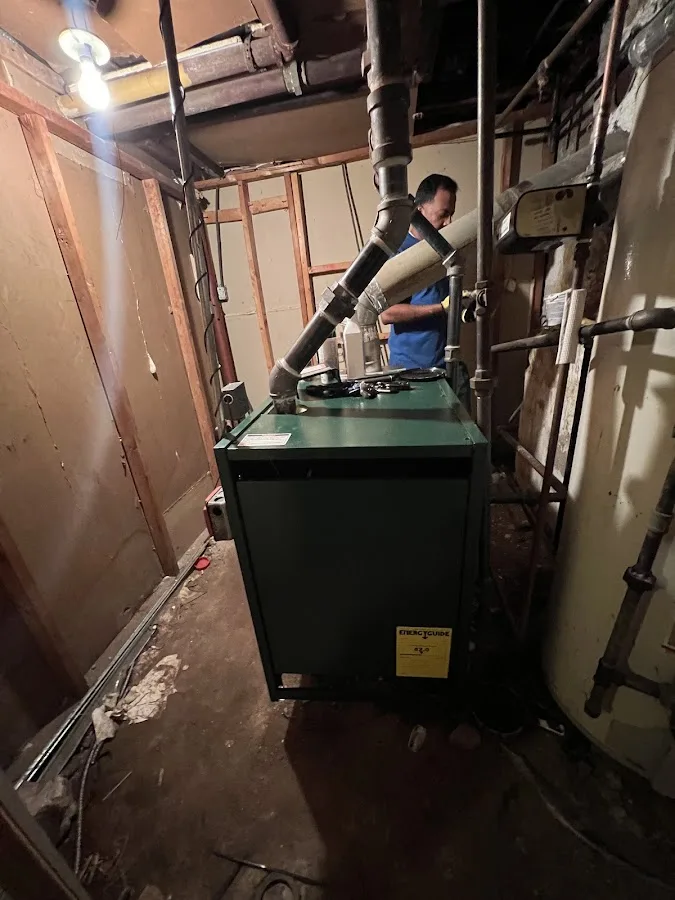
- Heating emergencies: No heat, unusual operation cycles, or fuel/electrical control faults that prevent safe heating.
- Urgent electrical issues: Troubleshooting for unsafe conditions where power delivery, switching, or components may be failing.
For any emergency, the goal is to identify the exact failure point, control immediate hazards, and then complete a durable repair.

What happens during the first service call (dispatch to completion)
Emergency response is usually fast, but the service still follows a structured process to prevent repeat failures. Dispatch prioritizes urgency, while the technician’s on-site inspection safety and root cause.
- Stabilize the situation: The technician may shut off a water supply, manage a leak location, or isolate electrical hazards when needed.
- Confirm the failure point: Diagnostic steps can include pressure checks, leak location methods, drain/line evaluation, and heater/electrical control testing.
- Select the repair path: Repairs focus on restoring function and addressing underlying causes such as damaged piping, clogged interior lines, failed valves, or control issues.
- Explain options and pricing: A clear estimate helps homeowners and business owners understand repair scope before work continues.
- Test and verify: After repairs, the system is tested to confirm proper operation and eliminate immediate recurrence.
Because emergency issues evolve quickly, this sequence is reduce downtime and prevent secondary damage.

Plumbing diagnostics that prevent repeat clogs and leaks
Many plumbing emergencies return if the repair only covers the visible damage. Durable fixes depend on identifying the actual blockage, deterioration point, or leak source.
1) Drain and backup issues
When drains back up, technicians typically evaluate whether the clog is localized to a fixture trap, deeper in the branch line, or related to a main sewer restriction. If a simple stoppage doesn’t clear, more advanced methods may be used to restore full flow.
2) Burst pipes and leak location
Leaks can appear minor at first but may expand quickly. Pinpointing the exact section that has failed helps prevent unnecessary wall or floor demolition and supports targeted replacement or sealing where appropriate.
3) Water heater and hot-water failures
For no hot water, inconsistent temperatures, or leaking, service commonly includes checking supply lines, safety controls, venting/heating operation details, and the condition of components. If replacement becomes the better option, the decision is based on the failure’s severity and repair practicality.

How emergency pricing typically works
Emergency service usually includes a fast-dispatch premium because work must be scheduled immediately to minimize damage risk. Pricing can vary based on factors such as access difficulty, the depth or extent of line damage, parts required, and whether the repair is a straightforward fix or a broader replacement.
For clarity, homeowners should ask the technician to outline:
- The expected repair scope and which components are being replaced or adjusted.
- Any diagnostic charges versus repair labor and parts.
- Whether the estimate is an on-site quote or a range pending full inspection.
- Warranty or guarantee terms for completed plumbing/heating/electrical work.
- Time estimates for first stabilization and for full restoration.
Best and Fast Emergency Heating, Plumbing, and Electric is known for clear pricing and quick response, helping property owners make decisions based on complete information.
What to ask before signing off on repairs
In an emergency, it’s easy to agree quickly—especially when damage is urgent. A short checklist can protect both safety and budget.
- What caused the failure? Ask for the root cause and what has been ruled out.
- What exact work will be performed? Request a scope summary for plumbing, heating, and any electrical controls involved.
- What parts are needed? Ask for part descriptions and why those parts fit the repair.
- Will the system be tested after completion? Confirm leak/flow checks, heating operation checks, or electrical safety verification.
- Is there a warranty? Ask about coverage for labor and parts.
- Are there any immediate safety precautions? For example, whether to avoid using a fixture, close a supply, or limit thermostat operation until verification is complete.
For help in Queens and nearby areas, contacting Best and Fast Emergency Heating, Plumbing, and Electric directly supports fast dispatch and expert troubleshooting during time-sensitive events.