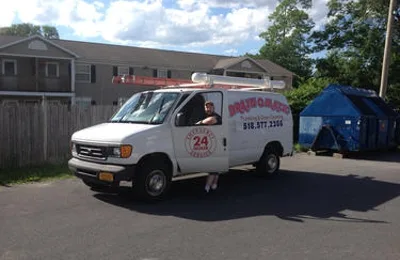
A drain that suddenly won’t clear can be caused by something as simple as localized debris—or something deeper in the sewer line. For homeowners and property managers in the Albany area, the fastest way to avoid repeat visits is to describe the symptom pattern clearly before anyone starts “just clearing the drain.” Drain-Away Sewer & Drain Services is positioned as a sewer & main-line focused team, and their public information highlights emergency availability, diagnostic equipment, and multiple cleaning approaches.
Start with the pattern: single-fixture clog or system-wide behavior?
Before you call, sort the problem into one of two buckets:
One fixture or one area: A sink, tub, or toilet that backs up while everything else drains normally often points to a localized blockage (for example, a fixture trap, a short run, or a clogged section near the connection). In those cases, a drain-clearing response may be enough.
Multiple fixtures, return backups, or slow draining across the home: If more than one drain is affected, or if the “unclogging” only lasts briefly, the issue may be tied to the sewer or main-line path. Drain-Away’s site discusses backups that can result from grease buildup, soap scum, roots, and even broken pipe—exactly the kinds of causes that can look similar at first but require different scope.
Why “hydro jetting” matters when clogs keep coming back
Some blockages are not just sitting at the inlet; they’re lining the pipe. Drain-Away states that hydro/water jetting uses very high-pressure water to clean pipes precisely and that their trucks are equipped with hydro jetters, including larger trailer-mounted units for specialized applications. In practice, that means jetting is often discussed when normal clearing methods don’t fully restore flow or when the technician needs to address buildup inside the line—not just the immediate blockage.
Use this question on the phone: “Are you planning a one-time clear, or a line-cleaning approach if you find buildup?” Their website also notes they use multiple types of drain cleaning machines (from small hand snakes to motorized machines) and that different blockages require choosing the proper cable size and cutting head.
What to say if you suspect roots, grease, or a broken pipe
When you call, give concrete triggers you’ve noticed. For example:
• Roots: recurring slow flow in the same season, or “it clears then returns” after rain or thaw cycles.
• Grease/soap buildup: backups that follow heavy kitchen use, grease disposal habits, or frequent high-soap laundry cycles.
• Broken pipe signs: unusual sounds, persistent damp spots near suspected runs, or repeated backups that change location.
Drain-Away’s site specifically lists grease, soap, roots, and broken pipe as possible contributors to sewer backups. Matching your symptoms to those categories helps steer the right plan.
Prepare your call so dispatch can route you to the right scope
Drain-Away publicly lists 24/7 emergency service and a main dispatch line at +1 518-355-9755. That’s useful—but the real speed comes from giving clear information up front. Before you call, gather:
• Which fixtures are affected (kitchen sink, shower, toilet, basement floor drain, etc.)
• Whether anything changed recently (cleaning wipes, baby wipes, a disposal, tree work, heavy rain)
• What “fixed” it last time, if it has been cleared before
• Any visible signs near access points (standing water, odor changes, gurgling)
Also ask whether they will diagnose the cause of the backup, not only remove the current plug.
Use reviews and website signals—then confirm the visit details
On their public footprint, Drain-Away is shown with a 4.7 rating from 63 reviewers and an official website at http://drainawayny.com/. Reviews can help you choose a provider, but the visit should still come with clarity: what they found, what they cleaned, and what they expect to prevent next.
When to escalate from “clear it” to a sewer/main-line plan
Escalate immediately if any of these are true:
• The same drain backs up again within days or weeks.
• Multiple drains show reduced flow at the same time.
• You hear gurgling in several fixtures after flushing or running water.
• You suspect roots or a deeper pipe issue from prior history.
Those are the scenarios where a drain-clearing approach may not be enough, and where a sewer & main-line plan—and potentially a more thorough line-cleaning method—can be the smarter path.
If you want to make your first call count, describe the symptom pattern first, then ask whether the team will treat it as localized clearing or as a line problem requiring a deeper scope. That simple shift can reduce repeat visits and help get you to the right fix the first time.