When a plumbing emergency hits: what to do in the first 10 minutes
Plumbing failures often escalate quickly. For homeowners and small businesses in Buffalo, NY, the priority is preventing additional water damage and making it easier for a technician to diagnose the root cause. If you have water spraying, pooling, or rapidly rising dampness, act immediately: shut off the nearest water supply if it can be done safely, and reduce water use to stop further pressure and overflow. If the problem involves gas-fired equipment in any way (for example, a gas water heater that is malfunctioning), avoid troubleshooting beyond turning off the gas supply if that can be done safely and contact a qualified professional.
Once the immediate risk is controlled, take a few photos of the affected area and note any warning signs such as unusual gurgling, repeated tripped breakers, water discoloration, or odors. These details help the plumbing team confirm whether the issue is a drain line blockage, a supply-side leak, or a fixture or appliance failure.

Burst pipes and sudden leaks: stop the flow, then identify the type
A burst pipe is typically a pressure or freeze-related failure, or a section that has been weakened by corrosion. After stopping the water flow, separate the symptom from the cause. A supply-line leak usually shows signs at a particular fixture, valve, or wall/ceiling penetration, while a drain-related issue may be localized to fixtures or the floor where wastewater is backing up.
For supply-side leaks, look for water at shutoff valves, around supply lines under sinks, at toilet connections, or behind shower/tub trim. If the leak is hidden (inside walls or under flooring), avoid drilling or tearing open surfaces unless an emergency shutoff is not possible. For drains, repeated backups, slow draining, or standing water can point to a clogged line, grease buildup, or a more complex blockage deeper in the system.
Military Mechanical, Plumbing - Heating - Cooling supports 24-hour emergency contact, which is important when a burst pipe is affecting flooring, drywall, or electrical areas. Early intervention can prevent secondary issues like mold growth and structural weakening.
Clogged drains and sewer backups: distinguish a simple clog from a deeper problem
Drain problems are not all the same. A clogged trap or fixture line can often be resolved with basic cleaning techniques, but persistent backups across multiple fixtures may indicate a main line issue. Gurgling noises from drains, toilets that bubble when a sink drains, or foul odors that worsen after heavy use are common signs that the blockage is traveling through the plumbing system.
Before a technician arrives, avoid chemical drain cleaners if possible. In many situations, aggressive chemicals can damage plumbing components, complicate diagnosis, and create additional hazards. Instead, keep water use to a minimum and note which fixtures are affected. That information helps determine whether the issue is localized (for example, a sink drain) or system-wide (such as a main drain line).
If the blockage has progressed to a wastewater backup, the solution may require more than a standard tool. A professional diagnosis often includes inspecting the drain path, measuring restrictions, and determining whether the pipe needs cleaning, repair, or inspection with a camera to find the exact cause of the stoppage.
Water heater problems: common failure signs and safe next checks
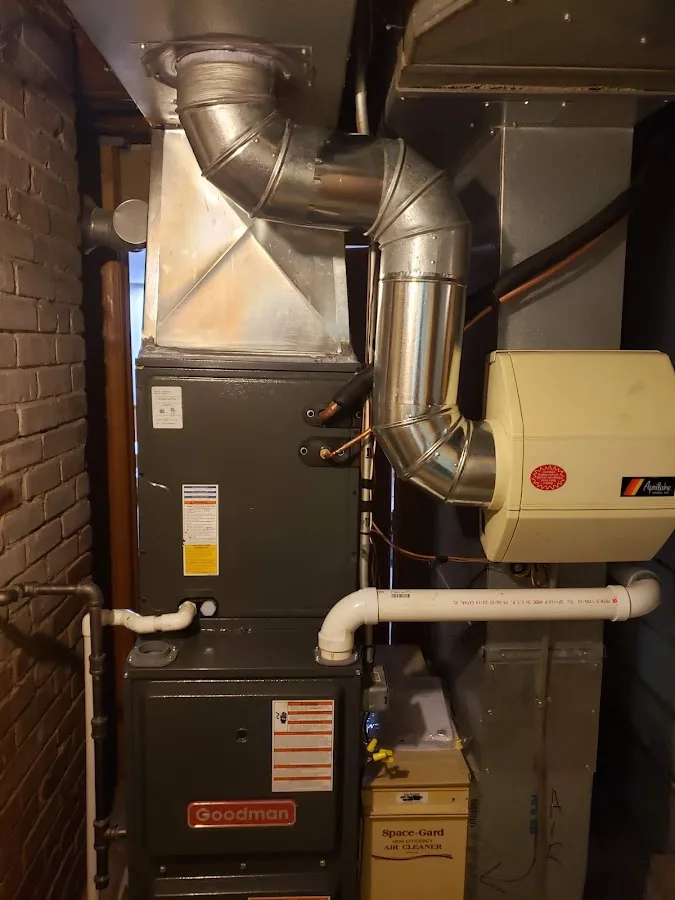
A failing water heater can show up as lukewarm water, inconsistent temperature, rumbling noises, or visible leaks around the unit. Sediment buildup can reduce heating efficiency, while internal components may fail over time. If the unit is leaking, avoid continued operation. Water heater leaks can damage nearby floors and electrical connections and can also indicate valve or connection failures.
For gas water heaters, any suspected gas-related malfunction needs immediate attention from a licensed technician. For electric units, watch for tripped breakers, burning smells, or repeated reset behavior. In both cases, the technician’s assessment should confirm whether the issue is repairable or whether replacement is the best long-term option based on the unit condition, age, and the cost to restore safe performance.

What to ask the plumber before authorizing repair work
Asking the right questions can reduce uncertainty during an emergency repair and help ensure the final fix matches the actual cause. When speaking with Military Mechanical, Plumbing - Heating - Cooling, focus on scope, diagnosis, and next steps:
- What is the likely cause? Ask whether the issue is a blockage, a leak at a connection, a valve problem, or an appliance failure.
- How will the problem be confirmed? If the drain or pipe issue is unclear, ask about inspection methods such as measuring flow, using appropriate cleaning tools, or using camera inspection for deeper confirmation.
- Is repair possible, or is replacement recommended? For water heaters and compromised sections, request the reasoning behind repair vs. replacement.
- What is the expected timeline? Emergency service schedules can vary; ask what time the work can be completed and whether additional access is required.
- What will the total cost include? Request a clear breakdown of labor, diagnostic fees, parts, and any follow-up work.
Clear communication helps ensure the repair addresses the underlying failure rather than just treating the symptom.
Service areas and local expectations in Buffalo, NY
Plumbing issues do not wait for business hours. In Buffalo, NY, residents and property managers often need contact support during early mornings, weekends, and winter weather events. Military Mechanical, Plumbing - Heating - Cooling offers around-the-clock availability and can respond when a drain, supply line, or water heater fails unexpectedly.
Keeping shutoff valves accessible, maintaining regular drain care, and addressing minor leaks early can reduce the likelihood of larger damage. When a larger repair becomes unavoidable, a disciplined, evidence-based diagnosis combined with timely emergency action is the fastest path back to stable water service.